




Delivering the right care, every time: How Dr. Calvin Tsao is advancing value-based care in the home
April 17, 2026 | 3-minute read
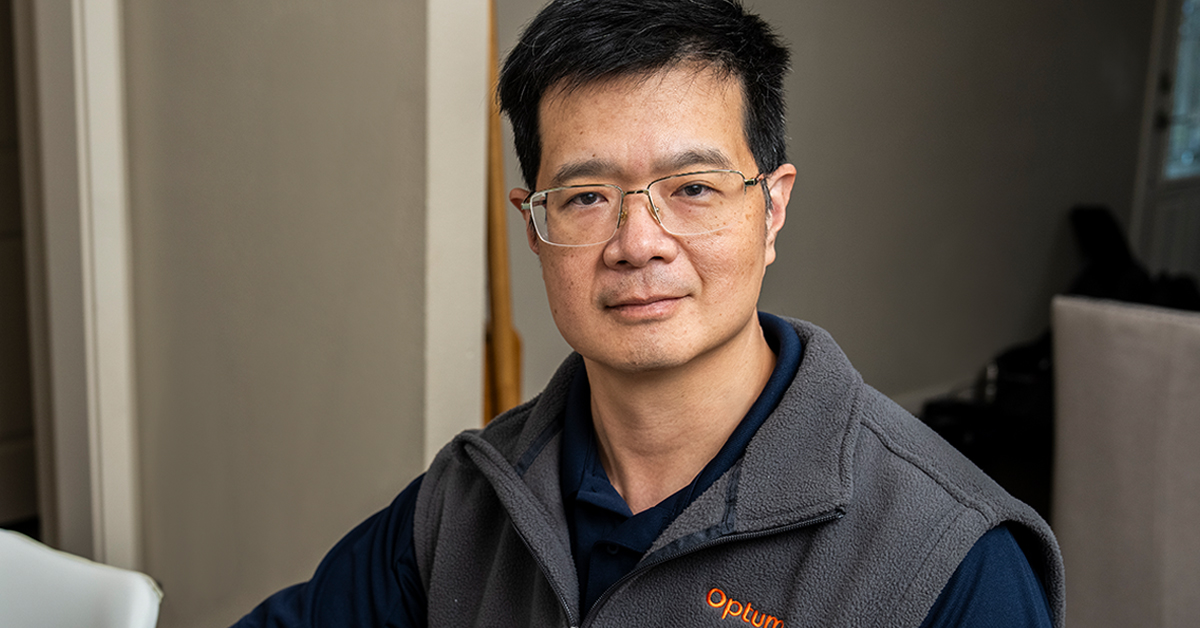


This belief guides his work as a medical director with Optum Home & Community Care Delivery, where he supports teams across the country focused on delivering better outcomes for patients through value-based care. It also shapes how he approaches life outside of work, as a father and a lacrosse coach. In every setting, the goal is the same: meet people where they are and help them succeed.
“At its core, value-based care means delivering the right care at the right time, every time, with compassion,” Tsao says.
Delivering whole-person care in the home
Tsao began his career in private practice, caring for patients in clinic and hospital settings. After more than a decade in that environment, he was ready for a different way to care for patients. He saw firsthand how value-based care could transform the patient experience and how outcomes matter more than volume of care. Also, he was drawn to the home setting, where clinicians can see the full context of a patient’s life. This led to him moving across the country to an opportunity in Seattle.
“It felt new and different,” he said. “Taking care of people in their homes allows you to understand who they really are, what matters to them, and how they want to be treated.”
Beyond clinical needs, care teams can identify social factors that affect health, such as food security, transportation, housing stability, and fall risk. Those insights allow teams to intervene earlier, connect patients to the right resources, and help them stay healthier longer.
This care model is reflected in Optum Home & Community Care Delivery, including programs such as HouseCalls, which deliver inhome and virtual assessments to help improve outcomes for older adults.
Driving coordinated care at scale
Over time, Tsao’s role evolved from caring for individual patients to designing clinical programs and processes that support coordinated care at scale. Today, he collaborates with physicians, nurse practitioners, nurses, pharmacists and social workers across all 50 states to deliver high-quality, coordinated care.
One of Tsao’s areas of focus is reducing fall risk among older adults, the leading cause of injury-related death for older adults. By applying evidence-based protocols and addressing risks directly in the home, care teams can make meaningful improvements that help patients maintain independence. In addition to better health, this approach also drives lower costs by preventing avoidable hospitalizations, emergency room visits and complications.
“When I was seeing patients in the home, I felt good knowing I helped one person reduce their fall risk,” Tsao says. “Now, by coaching and supporting thousands of clinicians, I know we are helping thousands of patients do the same.”
That coaching mindset is central to how Tsao leads. As a lacrosse coach, he teaches players to focus on effort, attitude and resilience — principles he carries into health care.

Creating healthier lives, one patient at a time
It’s no secret that the health care system can feel fragmented and hard to navigate. When care is not coordinated, small issues can quickly become bigger health concerns and more costly ones.
A value-based care model creates conditions for proactive, preventive and compassionate care to thrive. It aligns incentives around what matters most: better outcomes, better experiences and healthier lives. This benefits patients, providers and communities alike.
“What gives me optimism is knowing that the decisions we make today can improve the lives of hundreds of thousands, even millions, of people,” Tsao shares. “That is how we create healthier lives.”
Through his work with Optum Home & Community Care Delivery, Tsao is helping advance a health care model that is truly built for better health — one patient, one team, and one home at a time.
Related news
News story
A personal loss and her own health journey led Tara Langsdorf to reimagine how care should work — fueling her mission to bring whole‑person care into primary care settings nationwide.
May 7, 2026
News story
Discover how language, culture and family centered care build trust and better outcomes.
April 8, 2026